Stone Wool, also known as mineral wool, has been widely used for insulation in various applications, ranging from residential to industrial settings. While it offers numerous advantages, like any material, it also comes with certain limitations. In discussing the disadvantages of Stone Wool, it's important to understand these within the context of its numerous benefits.
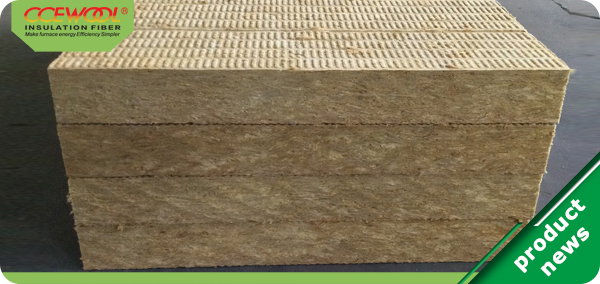
Advantages of Stone Wool
Before delving into the disadvantages, let's highlight some key advantages of Stone Wool:
Thermal Insulation: Stone Wool provides excellent thermal insulation, helping to retain heat in buildings and reduce energy costs.
Fire Resistance: It is non-combustible and can withstand temperatures above 1000°C, making it an ideal fire-resistant material.
Sound Absorption: Its dense fibrous structure makes it effective at absorbing sound, thereby reducing noise pollution.
Moisture Resistance: Stone Wool is hydrophobic, meaning it repels water, thereby preventing mold and mildew growth.
Eco-friendly: Often made from natural or recycled materials, it is considered an environmentally friendly choice.
Disadvantages of Stone Wool
Despite these advantages, there are some drawbacks to consider:
Installation Challenges: Installing Stone Wool can be more labor-intensive compared to other insulating materials. It often requires specialized tools and safety gear, as the fibers can be irritating to the skin and respiratory system.
Cost: Generally, Stone Wool is more expensive than some other insulating materials, like fiberglass. This can be a deterrent for budget-conscious consumers.
Environmental Concerns During Production: While the product itself is eco-friendly, the manufacturing process of Stone Wool can be energy-intensive and contribute to environmental pollution.
Potential Health Risks: The small fibers of Stone Wool can be a health hazard if inhaled, necessitating proper protective gear during installation. Prolonged exposure may lead to respiratory issues.
Recycling and Disposal: Disposing of Stone Wool can be a challenge. Although it’s made from natural materials, its recycling process is not as straightforward as other materials.
Conclusion
In conclusion, while
Stone Wool has its disadvantages, these should be weighed against its significant advantages in terms of fire resistance, sound absorption, and environmental friendliness. The choice of insulation material should be based on a balanced view of both its merits and limitations, considering the specific requirements of the project at hand. Proper installation and handling can mitigate many of the disadvantages, making Stone Wool a viable option for many insulation needs.





